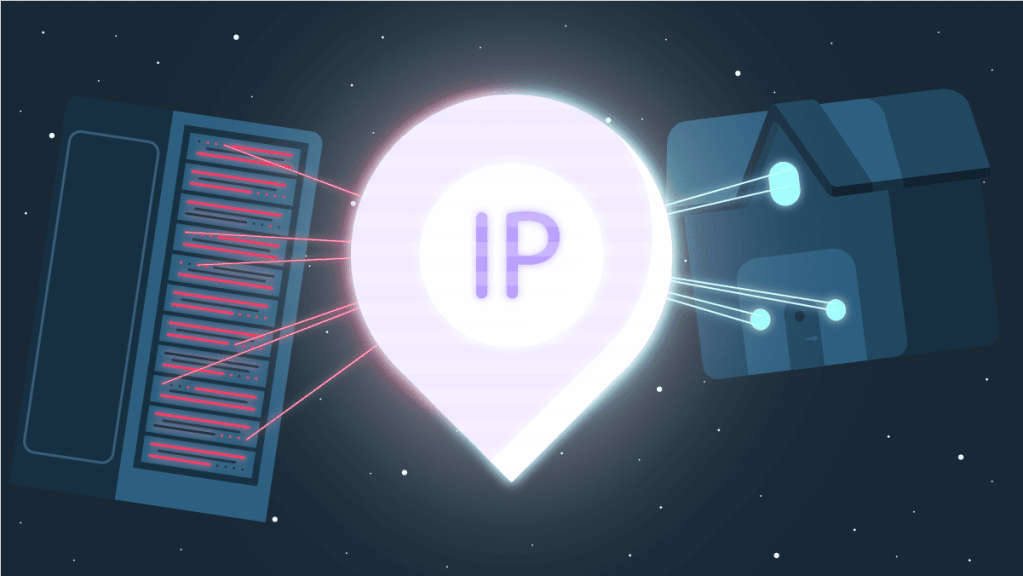
Ah, proxies, proxies, proxies… There are so many different types, and figuring out which ones should make it into your arsenal can be tricky. But one thing is clear: the most popular choices are datacenter proxies and residential network proxies.
These two are often pitted against each other. But do datacenter proxies and residential IPs really meet on opposite sides of the battlefield? Short answer: No. That’s why we’re here hyping up how datacenter proxies blend with residential IPs to create what’s known as an ISP proxy.
In this blog post, we’ll break down what ISP proxies are, how they work, where they shine (and where they don’t), and their key use cases.
What is an ISP Proxy?
An ISP proxy is a server whose IP address is assigned by an Internet Service Provider (ISP). These proxies don’t involve end-user devices like phones or desktops. Instead, ISP proxies are hosted on servers.
When it comes to proxy ports and session types, ISP proxies are essentially static. That’s why they’re also called static residential proxies, sometimes simply referred to as static proxies.
The term “static residential proxy” used to be popular. But when sneakerheads discovered these IPs, they started calling them ISP proxies for simplicity. Unsurprisingly, the term “ISP proxy” has gone mainstream recently.
ISP Proxies: The Best of Both Worlds
People love datacenter proxies and dedicated datacenter proxies for several reasons. They’re highly reliable because they run on cloud servers and are always online. Plus, they’re blazing fast—like a sprinter at full speed!
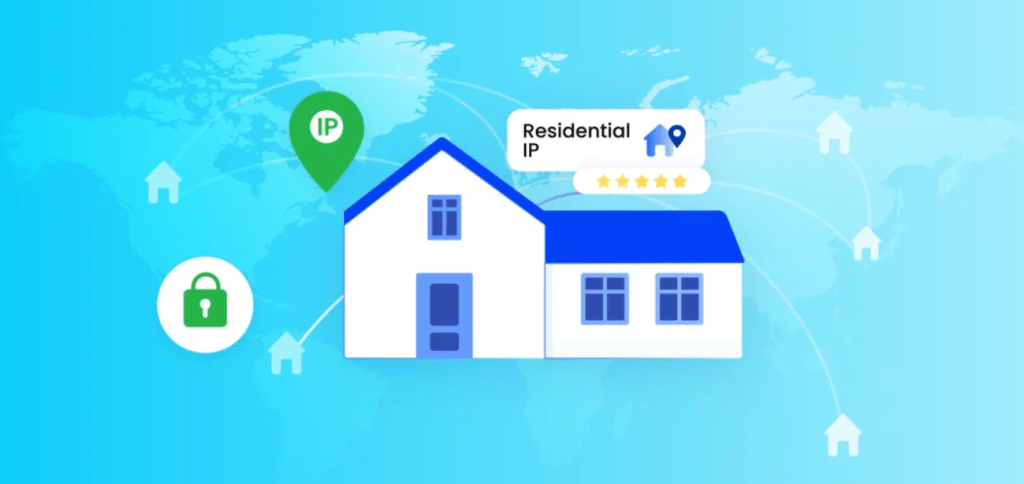
Others prefer residential proxies. These use IPs from mobile and desktop devices, meaning they come from regular users just like you and me. With these, websites are more likely to see you as a real consumer, giving you more anonymity and a much lower chance of being banned as a bot.
But what happens when you combine the lightning speed of datacenter proxies with the high anonymity of residential IPs? You might think that’s impossible. We say: Boom—hello, ISP proxy!
Some clever folks wanted longer-lasting access to the same peer-to-peer residential IPs. So they got an IP from an ISP and hosted it on a datacenter server. And just like that, ISP proxies were born.
How ISP Proxies Work
ISP proxies function like any other proxy server. They assign you a new IP address, which they use to send your connection request to the target website. This way, your original IP and location are hidden, and you appear as a completely different user.
Datacenter IPs are cheap and fast—what’s not to like? But they’re also easy to detect and block. On the other hand, residential IPs are pricier because they originate from real devices and are nearly undetectable.
ISP proxies aim to give you the best of both worlds. They act like residential IPs purchased from ISPs but are hosted on datacenter servers. Once acquired, these IPs become powerful tools for individual (or commercial) use.
Why People Love ISP Proxies
So ISP proxies combine the strengths of both datacenter and residential IPs. But what exactly makes them so appealing? For many users, ISP proxies are like the crown jewel of proxies. Here are at least five reasons why:
- Lightning-Fast Speed
Since they’re based on datacenter infrastructure, ISP proxies are as fast as their datacenter counterparts. - Full Anonymity
On top of that, being backed by an ISP adds even more legitimacy. - Reliable Uptime
ISP proxies offer 99.99% uptime—also known as the famous “four nines.” That means less than an hour of downtime per year. - Unlimited Bandwidth
Perfect for web scraping, since most providers sell ISP IPs in bulk rather than by bandwidth. - Optional Rotation
Rotating IPs is often best for scraping, while static (sticky) IPs are better for managing social media, handling multiple accounts, or copping sneakers. With the right provider, you can rotate ISP proxies via reverse connection servers.
What Are ISP Proxies Best Used For?
Since ISP proxies are anonymous and static, they shine in environments where a consistent identity is important. Here are the top three use cases, though this list is far from exhaustive:
- Social Media or E-Commerce Accounts
These platforms use browser fingerprinting, so the more anonymous and legitimate your proxy provider, the better. Managing multiple e-commerce or social accounts demands a good IP reputation, and ISP proxies are ideal because they come from real ISPs. - Sneaker Copping
Sneakerheads bombard retailers during drops—this isn’t news. Advanced protection mechanisms are in place to stop these attacks. The anonymity and static nature of ISP proxies increase your chances of success.
Some sneaker platforms require ultra-fast speed, and a laggy connection can mean missing out on your dream shoes. Also, if you’re using IP-based pricing, heavy traffic can quickly burn through your residential proxy plan’s data cap. - Web Scraping (to a degree)
Web scraping is the process of automatically collecting publicly available information for things like marketing or research. With ISP proxies, you can extract data at high speed.
However, ISP proxies are best for small-scale scraping projects that don’t require high scalability.
ISP Proxies: A Balanced Perspective
Nothing is perfect, and ISP proxies are no exception. While they offer major advantages for many use cases, there are some downsides to consider:
- Cost
Because they combine the benefits of both proxy types, ISP proxies are not cheap. Whether priced by IP or bandwidth, they’re often more expensive than regular residential proxies. - Limited Location Coverage
Like datacenter proxies, ISP proxies are hosted on servers in select global locations. Renting many servers is costly and inconvenient. As a result, ISP proxies tend to cover fewer locations than P2P residential networks. - Subnet Diversity
ISP proxy pools are usually made up of IPs from various ISPs. While this offers some subnet variety, it’s still limited—some IPs may share the same subnet. - IP Database Update Lag
Due to the nature of ISP proxies, online databases that catalog IP origins may take weeks or months to update. This means websites using different IP detection tools might treat the same proxy differently, which can be frustrating.
Blurpath ISPs Are at Your Service
ISP proxies are a brilliant fusion of residential and datacenter proxies. No, seriously! Can you believe the anonymity of residential proxies and the speed of datacenter proxies can coexist so peacefully?
If you manage multiple social or e-commerce accounts, run sneaker bots, or scrape the web for data, consider adding ISP proxies to your toolbox.




 PROXY SERVERS
Leave a comment