
This article provides a comprehensive comparison of these two common proxy types, outlining their features and use cases.
What is an ISP Proxy?
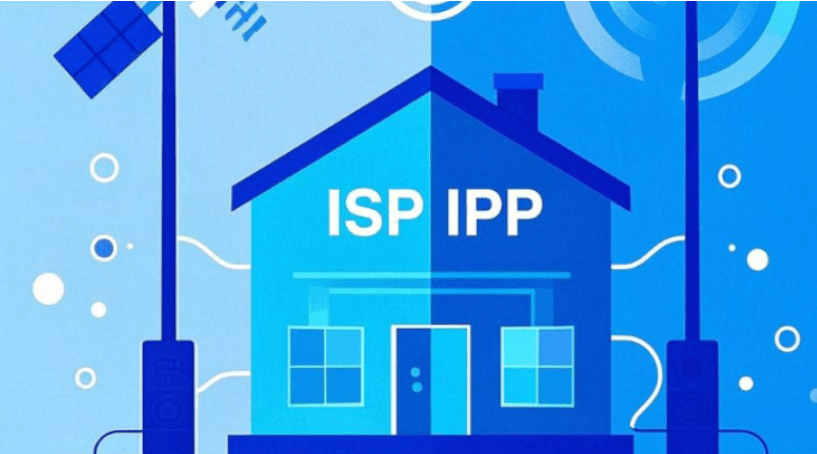
An ISP proxy is a proxy service provided by an Internet Service Provider (ISP). It typically uses data center IP addresses, offering relatively fast connection speeds. Key features include:
- High Speed:
- Operating in data centers, ISP proxies deliver high bandwidth, making them ideal for bandwidth-intensive tasks.
- Stability:
- Robust hardware and network infrastructure ensure reliable connections.
- Cost-Effectiveness:
- Generally more affordable than residential proxies, suitable for budget-conscious users.
Drawbacks:
- Data center IPs are easily flagged by websites as proxy traffic, leading to access restrictions.
- Less effective for anonymous browsing.
What is a Residential Proxy?
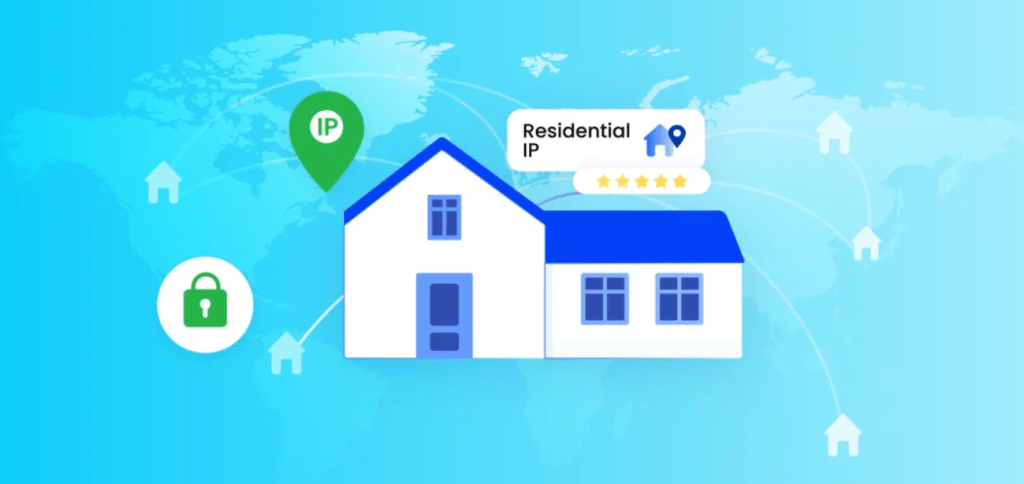
Residential proxies use real IP addresses assigned by ISPs to home users. Key features include:
- High Anonymity:
- Residential IPs appear as regular user traffic, making them difficult to detect.
- Low Blocking Risk:
- Mimicking genuine user behavior, they face lower blocking rates for long-term tasks.
Drawbacks:
- Slower speeds (especially during peak hours) due to residential network constraints.
- Higher cost compared to ISP proxies.
Dragon Overseas Proxy: Global Coverage
- 🚀 90 million+ clean, dynamic residential IPs worldwide.
- 🔒 Supports HTTP(S) & SOCKS5 protocols.
- 🎯 Precise geolocation targeting with stable connections.
Use Case Comparison
| Scenario | Recommended Proxy | Reason |
|---|---|---|
| High-Speed Needs (e.g., large downloads, HD streaming) | ISP Proxy | Faster speeds and stable bandwidth. |
| Anonymity-Critical Tasks (e.g., privacy-sensitive browsing, data scraping) | Residential Proxy | Genuine IPs evade detection and protect privacy. |
Conclusion
Both proxy types have distinct strengths:
- Choose ISP proxies for speed and cost-efficiency.
- Opt for residential proxies for anonymity and low blocking risk.
Tailor your choice to specific needs for optimal results.




 PROXY SERVERS
Leave a comment